
Why Michelin’s Arrival in South Australia Matters Far Beyond Fine Dining
The arrival of Michelin in South Australia feels important for reasons that go well beyond restaurants. What caught my attention in the announcement was not the stars, the rankings or even the tourism potential, but the repeated references to authenticity, personality and connection to place. For anyone working in wine tourism, hospitality or experience design, that language immediately stands out because authenticity is one of those things everybody talks about, but very few places genuinely achieve.
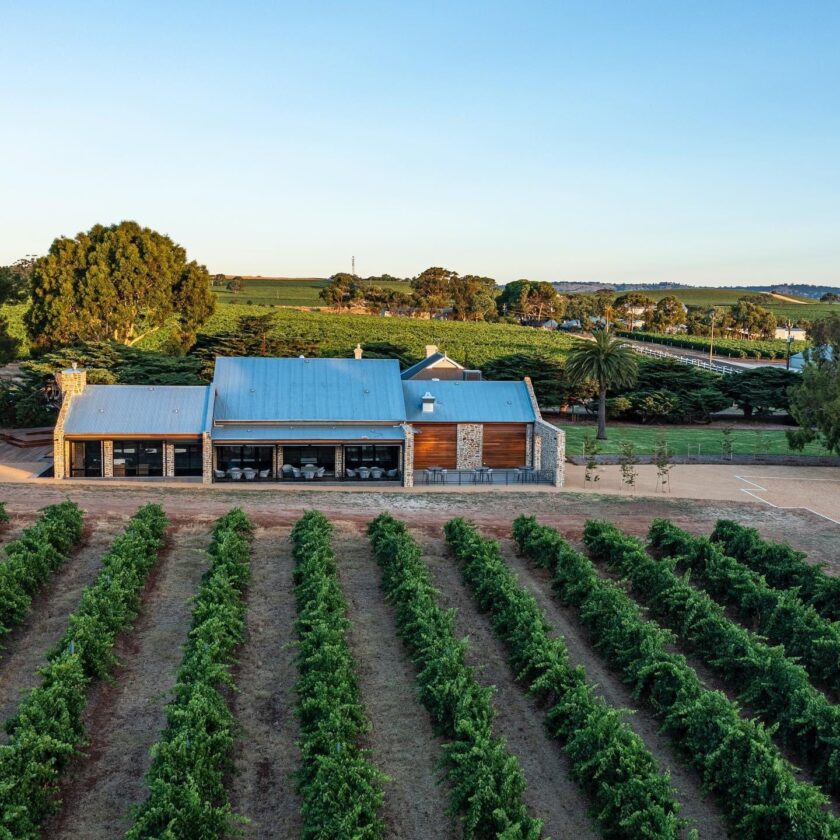
For a long time, there has been an assumption that international recognition comes from refinement in the traditional sense — becoming more polished, more metropolitan, more aligned with a global idea of luxury. Yet South Australia has always felt a little different to that. Some of the best wine experiences here are memorable precisely because they have not been overworked into perfection. You drive through the vineyard before you taste the wine. The person pouring your tasting may also be the owner, the grower or the winemaker. Cellar doors sit inside old stone buildings, working sheds and converted industrial spaces that still carry traces of the stories that shaped them. The experience still feels attached to the land that produced it.
That connection is becoming increasingly valuable because people are no longer searching only for products or destinations. They are looking for places they can emotionally step inside. Places where the story feels tangible enough that they can imagine themselves becoming part of it for a moment. In wine tourism especially, the wine may be the treasure, but the experience of discovering it is the map.
South Australia still does this remarkably well because our regions have retained their own identities. McLaren Vale feels different to the Adelaide Hills. The Barossa carries itself differently to Coonawarra. The landscapes change, the architecture changes, even the rhythm of the experience changes. Nothing feels entirely interchangeable. Michelin seems to have recognised exactly that quality — that South Australia still offers experiences that could only really happen here.
Interestingly, authenticity is often easiest to recognise by its absence. We have all been in places where every detail has been carefully curated to look authentic while somehow feeling strangely hollow. The reclaimed timber, the deliberately imperfect styling, the scripted storytelling on the walls. The more aggressively authenticity is manufactured, the more fragile it becomes. Real authenticity tends to emerge more naturally from places that are comfortable enough in their own identity not to over-explain themselves.
That is why Michelin’s language feels relevant beyond hospitality. It speaks directly to architecture, tourism and placemaking as well. The most memorable places are rarely the ones that feel the most polished. They are the ones where the building, the landscape, the people and the story all reinforce one another so seamlessly that visitors stop noticing the individual parts and simply feel immersed in the experience.
In wine tourism, architecture plays an enormous role in this. A cellar door should not feel like a generic luxury retail environment that happens to sell wine. It should feel inseparable from the landscape and the process behind it. The materials, light, scale, views and sequence of spaces all contribute quietly to helping visitors understand where they are and why this wine could only come from this place. Beautiful design matters, but meaningful design stays with people because it allows them to feel connected to something larger than the transaction itself.
That is why Michelin coming to South Australia feels culturally significant. It suggests that global attention may finally be shifting away from polished sameness and toward places with genuine character — places willing to lean further into their own climate, history, landscape and personality rather than smoothing those things away.
South Australia has quietly been building those kinds of experiences for years. We just perhaps have not always recognised that the very things that made us feel slightly less polished were also the things making us unforgettable.